 Dou Dou (豆豆)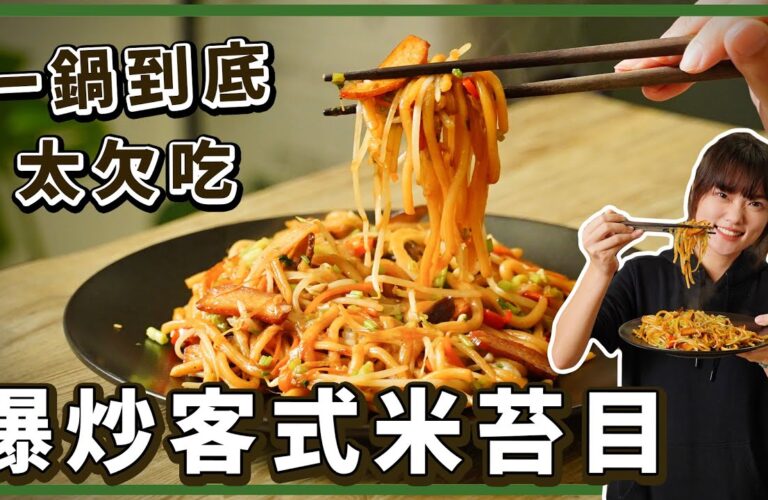
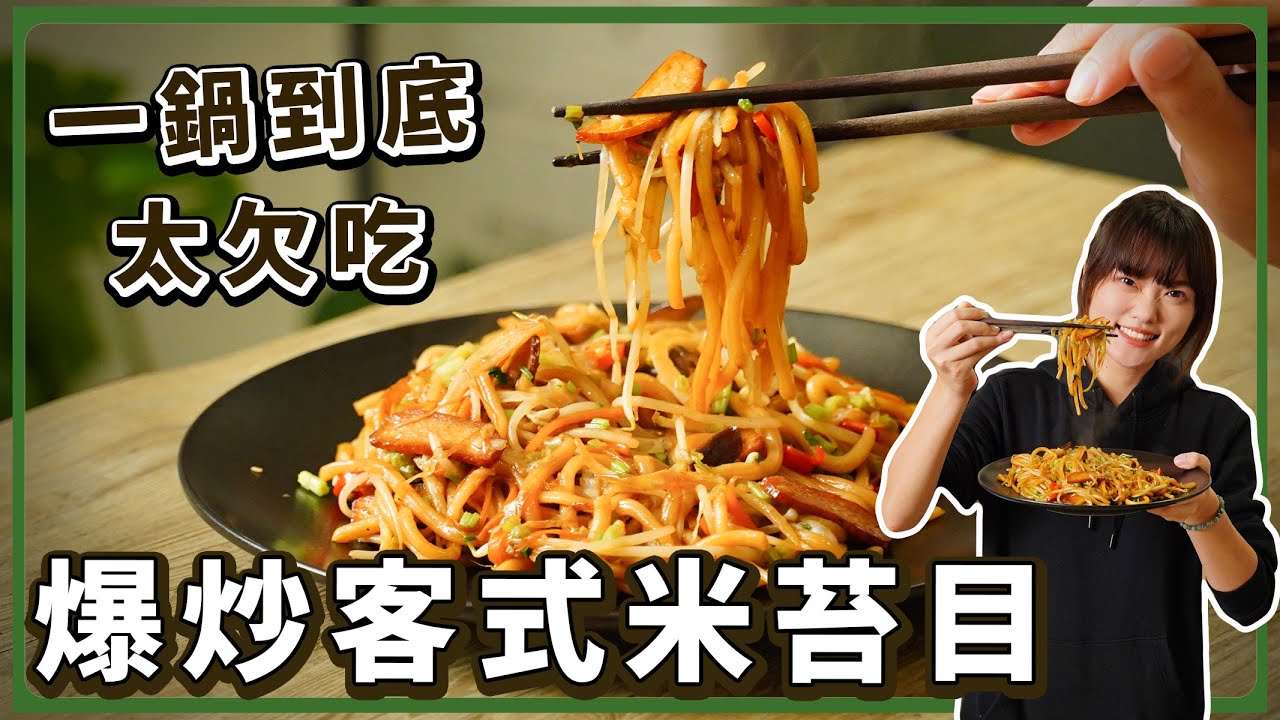
This one-pan Taiwanese stir-fried rice noodle dish brings together chewy Mi Tai Mu (米苔目), golden pan-fried tofu, and crisp vegetables in a savory soy-based sauce — it’s the kind of effortless weekday dinner that tastes like you spent hours in the kitchen. 一鍋到底的台灣炒米苔目,QQ滑滑的米苔目搭配焦香豆乾與脆口蔬菜,簡單卻讓人停不下筷子。
📹 Watch the Recipe
Recipe by 野菜鹿鹿 Veggie Deer
🥘 Why This Recipe Works
Mi Tai Mu (米苔目) is a Hakka-origin Taiwanese rice noodle that’s thicker than rice vermicelli but chewier than regular wheat noodles. Its unique bouncy, QQ texture makes it perfect for stir-frying — it holds its shape while absorbing all the savory sauce without turning mushy.
This recipe uses a clever one-pot method where the aromatics are layered in sequence: tofu and mushrooms go first for that golden crust, then carrots and cabbage soften in the same pan, and finally the noodles braise briefly in the seasoned sauce. The bean sprouts, celery, and fresh cilantro go in last, staying bright and crunchy for contrast.
Simple ingredients, one pan, 20 minutes — proof that the best Chinese cooking is about timing, not complexity.
🛒 Ingredients
| Ingredient | Amount | Notes |
|---|---|---|
| Mi Tai Mu (米苔目) rice noodles | 400g | Fresh or vacuum-packed; or substitute thick rice noodles |
| Fresh shiitake mushrooms (鮮香菇) | 6 pieces | Sliced; king oyster works too |
| Firm tofu / bean curd (豆乾) | 2 pieces | Slice into thin strips |
| Cabbage (高麗菜) | 200g | Shredded |
| Carrot (紅蘿蔔) | 1 small | Julienned |
| Bean sprouts (豆芽菜) | 100g | Rinsed and drained |
| Celery (芹菜) | 2 stalks | Cut into 5cm segments |
| Cilantro (香菜) | Small bunch | Chopped |
| Red chili (辣椒) | 1-2 | Sliced into rings (optional) |
| Soy sauce (醬油) | 2 tbsp | For the sauce base |
| Thick soy sauce (醬油膏) | 1 tbsp | Adds body and sweetness |
| White pepper (胡椒粉) | ½ tsp | Or to taste |
| Sugar (糖) | 1 tsp | Balances the saltiness |
| Water | ½ cup | For braising the noodles |
| Cooking oil | 2 tbsp | Neutral oil like avocado or grapeseed |
👨🍳 Instructions
Step 1: Prep the ingredients
- If using vacuum-packed Mi Tai Mu (米苔目), soak in warm water for 5 minutes and gently separate the noodles with your fingers. Drain well.
- Slice fresh shiitake mushrooms into thin strips. Slice firm tofu into similarly sized pieces.
- Shred the cabbage and julienne the carrot. Cut celery into bite-sized segments. Mince the cilantro and slice the chili into rings.
Step 2: Sear the tofu and mushrooms
- Heat a large wok or non-stick pan over medium-high heat and add 1 tbsp oil.
- Add the sliced tofu and shiitake mushrooms. Pan-fry undisturbed for 2-3 minutes until the undersides are golden brown, then toss and continue cooking until both sides are crispy and fragrant.
- The browning is crucial — this is where the nutty, savory depth comes from.
Step 3: Add the vegetables
- Add the julienned carrot and shredded cabbage to the wok. Stir-fry for 1-2 minutes until the cabbage begins to wilt and soften.
- Push everything to one side of the wok.
Step 4: Add noodles and sauce
- Add the drained Mi Tai Mu to the wok and toss to combine with the vegetables.
- Pour in soy sauce, thick soy sauce (醬油膏), white pepper, and sugar directly over the noodles. Turn the heat to high and let the sauce sizzle and caramelize slightly — this develops a smoky “wok hei” aroma.
- Add ½ cup water, stir well, and let everything braise together for 1-2 minutes until the noodles have absorbed most of the liquid.
- Don’t oversaturate — the noodles should be coated, not swimming.
Step 5: Final toss with fresh vegetables
- When most of the liquid has been absorbed, add the bean sprouts, celery, cilantro, and chili rings.
- Toss over high heat for 30 seconds — just long enough to wilt the bean sprouts slightly while keeping them crunchy.
- Remove from heat immediately.
Step 6: Serve
- Transfer to a serving plate. Garnish with extra fresh cilantro and a squeeze of lemon or lime if you’d like a Thai-inspired twist.
- Best enjoyed hot, straight from the wok.
💡 Tips & Substitutions
| Problem | Solution |
|---|---|
| Can’t find Mi Tai Mu (米苔目)? | Use thick rice noodles (like udon-style rice noodles), Pad Thai rice noodles, or even fresh udon — the cooking time will vary slightly. |
| Noodles clumping together? | After soaking, rinse with cold water and toss with a tiny bit of oil before stir-frying. This prevents sticking. |
| Want it spicier? | Add ½ teaspoon of chili flakes or a spoonful of Lao Gan Ma chili crisp along with the soy sauce. |
| No thick soy sauce (醬油膏)? | Mix 1 tbsp regular soy sauce + ½ tsp sugar (adds the same body and sweetness). |
| What protein goes well here? | This is already protein-rich from the tofu. For extra protein, add crispy pan-fried tempeh or a handful of edamame. |
📊 Nutrition
Per serving (approx. ⅓ of recipe): ~380 cal | 12g protein | 8g fat | 65g carbs | 6g fiber
🌱 Why This Dish
Mi Tai Mu (米苔目) is a beloved Hakka rice noodle with deep roots in Taiwanese home cooking. Unlike wheat-based noodles that dominate northern Chinese cuisine, Mi Tai Mu is made entirely from rice flour and water — a tradition that emerged from Taiwan’s wet rice agriculture and Hakka ingenuity. The name “Mi Tai Mu” comes from its appearance: the noodles resemble mouse tails (the literal meaning of the Minnan name), though the English translation “silver needle noodles” captures the delicate shape with more dignity.
What makes Mi Tai Mu special in Buddhist vegetarian cooking is its simplicity. With no eggs, no dairy, and no gluten, it’s naturally suitable for both vegan (純素) and Buddhist plant-based (全素) diets. In Taiwan, you’ll find Mi Tai Mu made both sweet and savory: in the heat of summer, it’s served chilled with brown sugar syrup as a refreshing dessert, while this savory stir-fried version is a year-round staple at night markets and temple food stalls alike.
This Hakka classic embodies the Buddhist principle of mindful cooking — letting each ingredient speak through careful timing rather than heavy seasoning. The noodles contribute texture, the vegetables bring their natural sweetness, and the modest sauce ties everything together without overwhelming. It’s restraint on a plate, and that’s exactly what makes it so satisfying.