 Dou Dou (豆豆)
This heartwarming Wild Mushroom Tofu Doenjang Soup brings Korean flavors to your table with a plant-based twist, combining earthy wild mushrooms and silky tofu in a rich fermented soybean broth. 這道暖心的野菌豆腐大醬湯將韓國風味帶到您的餐桌,以植物性食材重新演繹,將野菌的鮮香與嫩滑豆腐融入濃郁的大醬湯中。
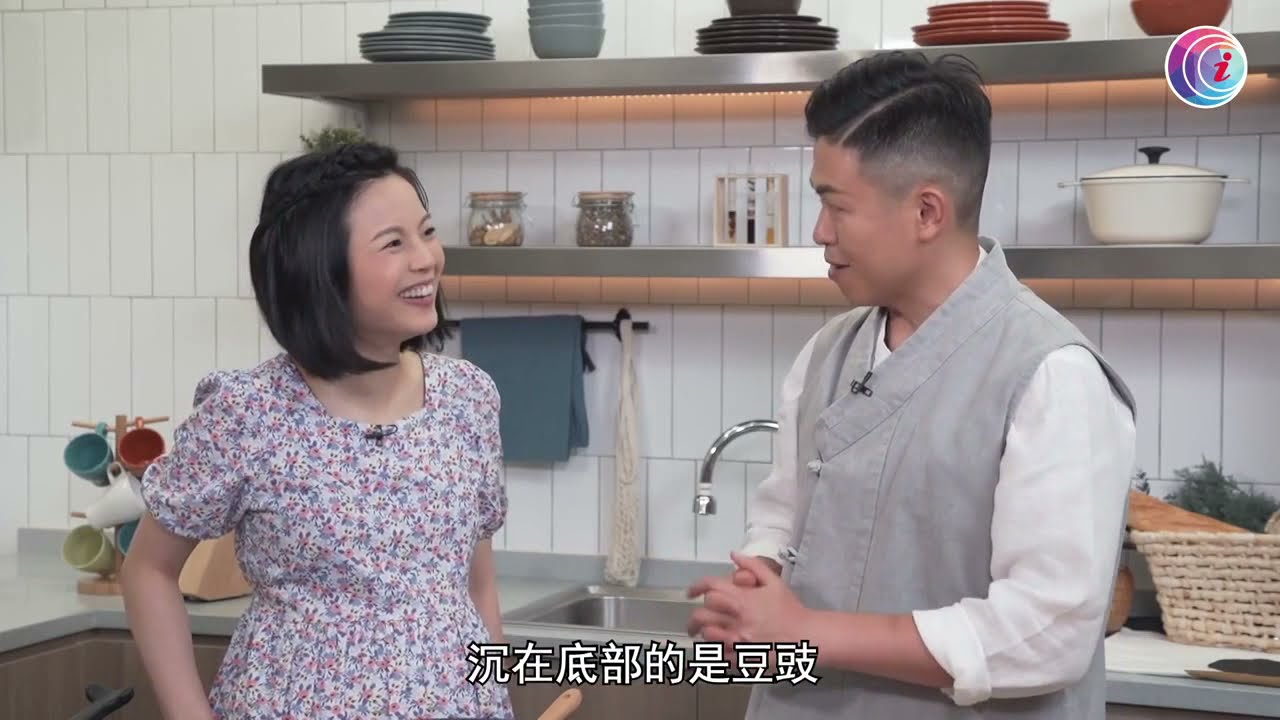
📹 Watch the Recipe
Recipe by 素食教煮 Veggie So Easy
🥘 Why This Recipe Works
Doenjang jjigae — Korean fermented soybean paste soup — is the ultimate comfort food in Korean cuisine. Every Korean household makes it, but everyone makes it differently. This vegan version swaps the traditional anchovy base for a deeply savory mushroom broth that’s every bit as satisfying. The combination of wild mushrooms (earthy shiitake, tender enoki, meaty king oyster) with silken tofu creates a beautiful contrast of textures, while the doenjang paste delivers that unmistakable funky, nutty depth that makes you want to keep coming back for spoonful after spoonful.
What makes this recipe work is its simplicity — 10 ingredients, one pot, 25 minutes, and you have a restaurant-quality Korean soup that rivals any takeout. The mushrooms do the heavy lifting on umami, so there’s no need for fish sauce or anchovy stock. A touch of gochugaru (Korean chili flakes) adds a gentle warmth, and a drizzle of sesame oil at the end ties everything together. Serve it with a bowl of short-grain rice and a few banchan sides, and you’ve got a complete Korean-inspired meal that’s entirely plant-based.
10 ingredients, one pot, 25 minutes — the ultimate weeknight Korean soup.
🛒 Ingredients
| Ingredient | Amount | Notes |
|---|---|---|
| Doenjang (Korean soybean paste) — 大醬 | 2½ tbsp | Fermented soybean paste, the soul of the soup |
| Silken tofu — 嫩豆腐 | 200g (7 oz) | Cut into 2cm cubes |
| Mixed wild mushrooms — 雜野菌 | 150g (5 oz) | Shiitake, enoki, oyster mushrooms |
| Garlic — 蒜 | 3 cloves | Minced finely |
| Spring onion — 蔥 | 2 stalks | Chopped, for garnish |
| Water or vegetable broth — 水/蔬菜湯 | 4 cups (1L) | Use good-quality veg broth for best flavour |
| Zucchini — 翠玉瓜 | ½ | Sliced into half-moons (optional) |
| Gochugaru (Korean chili flakes) — 韓國辣椒粉 | 1 tsp | Adjust to taste, omit for mild |
| Sesame oil — 麻油 | 1 tsp | To finish, not for cooking |
👨🍳 Instructions
Step 1 — Prepare the Broth
- Bring the water or vegetable broth to a gentle boil in a medium pot over medium-high heat.
- Add the doenjang paste and stir until fully dissolved — use the back of a spoon to mash any clumps.
- Add the minced garlic and reduce the heat to medium-low, letting the broth simmer for 3 minutes.
Step 2 — Cook the Mushrooms
- Add the mixed wild mushrooms to the simmering broth. If using shiitake, slice them first; enoki can go in whole.
- If using zucchini, add the sliced half-moons now.
- Let everything simmer gently for 5-6 minutes until the mushrooms have softened and released their flavour into the broth.
Step 3 — Add the Tofu
- Gently slide the tofu cubes into the pot — don’t drop them or they’ll break apart.
- Simmer for 2-3 minutes. Stir very gently in one direction to avoid breaking the tofu.
- Add the gochugaru if using, and adjust seasoning — doenjang varies in saltiness between brands, so taste first.
Step 4 — Finish & Serve
- Remove from heat and drizzle with sesame oil.
- Garnish generously with chopped spring onions.
- Serve steaming hot in individual bowls alongside steamed rice and kimchi.
💡 Tips & Substitutions
| Problem | Solution |
|---|---|
| Can’t find doenjang? | Substitute with Korean ssamjang (spicier, sweeter) or mix 2 tbsp white miso + 1 tbsp soybean paste (taucu). |
| Soup too salty? | Add an extra cup of water and a small potato chunk to absorb excess salt. Remove potato before serving. |
| No wild mushrooms available? | Use any combination: shiitake, brown beech, king oyster, or even common button mushrooms work well. |
| Want more protein? | Add a handful of edamame or crumbled extra-firm tofu along with the silken tofu for extra texture. |
📊 Nutrition
Per serving (¼ of recipe): ~175 calories, 10g protein, 8g fat, 15g carbs, 4g fibre. Rich in isoflavones from tofu and gut-friendly probiotics from fermented doenjang.
Ingredients
Method
Notes
🌱 Why This Dish
Doenjang (된장, 大醬) is Korea’s answer to miso — a fermented soybean paste that has been made in Korean homes for centuries. The Chinese name 大醬湯 (dà jiàng tāng) literally means “big paste soup,” a direct translation of the Korean doenjang jjigae. In Chinese Buddhist temple cuisine, fermented soybean pastes have long been used as a vegetarian seasoning base, making this Korean soup a natural fit for Buddhist-inspired vegan cooking.
In Korea, doenjang jjigae is more than just a soup — it’s a daily ritual, often served for breakfast with rice and a few banchan side dishes. The depth of flavour from the fermented paste, combined with whatever vegetables are in season, makes it endlessly adaptable. This vegan version honours that tradition while celebrating the umami richness that wild mushrooms bring to the table. It’s a dish that proves Korean cuisine, with its deep culture of fermentation and vegetable cooking, is already half-vegan by nature.