 Dou Dou (豆豆)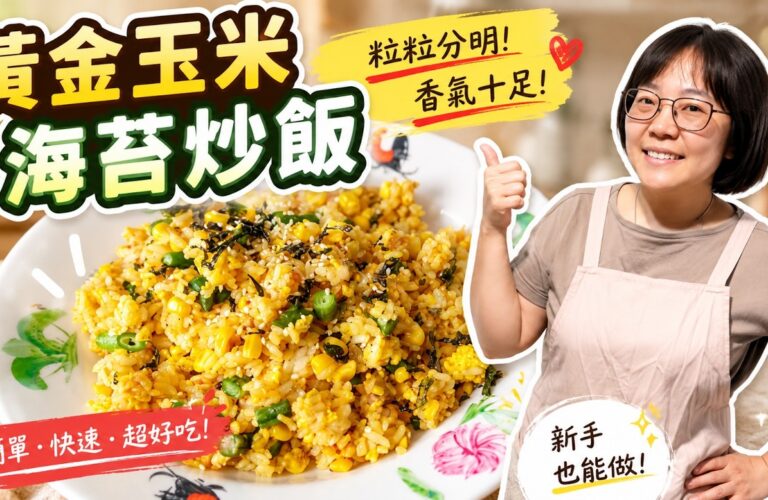
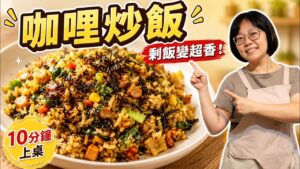
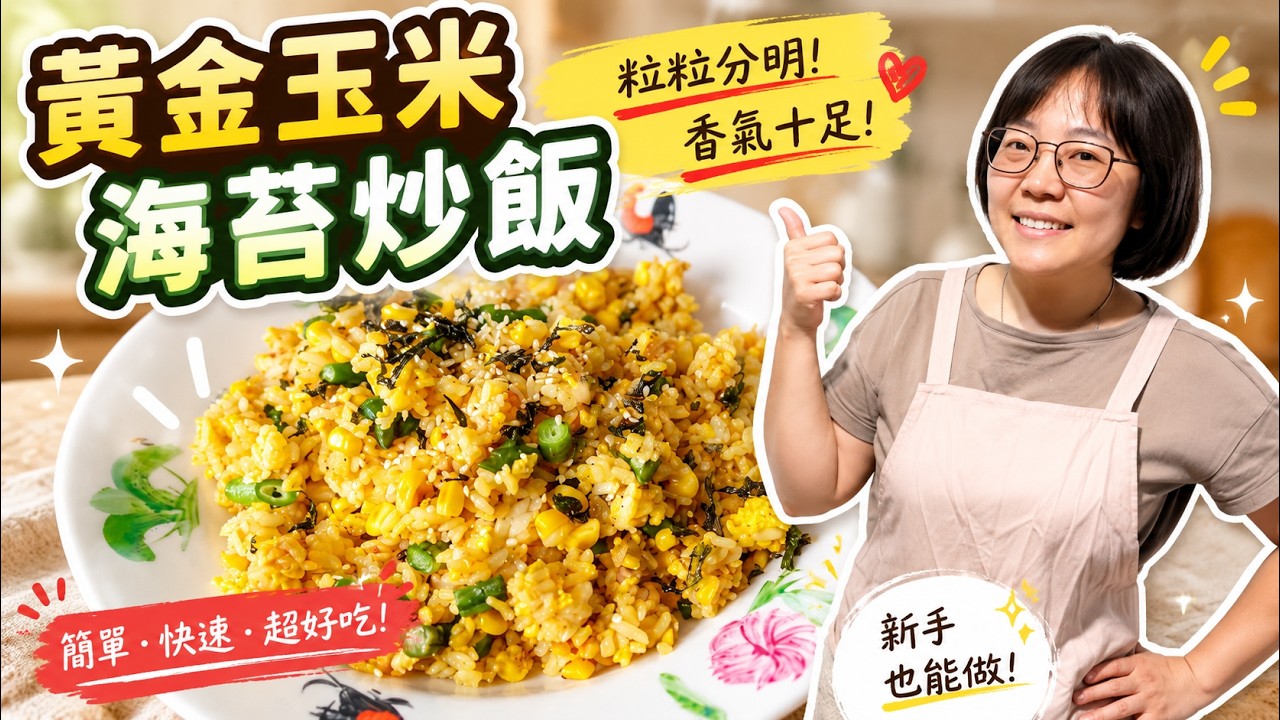
This vegan egg fried rice tastes just like the egg fried rice from a night market teppanyaki stall — without any eggs, garlic, or scallions.
這盤全素蛋炒飯吃起來就像夜市鐵板燒的蛋炒飯,卻完全沒有蛋、沒有蔥、沒有蒜!
📹 Watch the Recipe
Credit: 芭樂媽的家 Qistin Wong TV
🥘 Why This Recipe Works
Have you ever stood at a night market teppanyaki stall, mesmerized by the chef’s spatula work and that intoxicating aroma? That’s exactly what this vegan egg fried rice captures — but with zero animal products. The secret lies in a clever combination of everyday ingredients that trick your brain into tasting something it’s not.
Crumbled firm tofu, kissed with turmeric powder, takes on the sunny yellow hue and fluffy texture of scrambled eggs. A sprinkle of black salt (kala namak) delivers that unmistakable sulfurous “eggy” aroma — the same compound that makes eggs smell like eggs. Nutritional yeast adds a creamy, almost cheesy depth that rounds out the flavor profile beautifully. And the mushrooms? Dry-fried until caramelized, they provide the savory umami punch that scallions and garlic usually bring.
Only 10 ingredients, one pan, and 20 minutes.
🛒 Ingredients
| Ingredient (中文) | Amount | Notes |
|---|---|---|
| Day-old white rice 隔夜白飯 | 4 cups cooked | Leftover rice is essential — fresh rice is too moist for fried rice |
| Firm tofu 硬豆腐 | ½ block | Crumbled to resemble scrambled eggs |
| King oyster mushroom 杏鮑菇 | 1 large | Diced small, dry-fried for caramelized umami |
| Shiitake mushroom 香菇 | 1 large | Finely chopped, adds deep earthy flavor |
| Fresh corn 新鮮玉米 | 1 ear | Kernels cut off the cob — adds natural sweetness |
| Long beans 長豆 | 5 pods | Cut into small dice for crunchy texture |
| Turmeric powder 薑黃粉 | ½ tsp | Gives the tofu its golden egg-like color |
| Black salt (kala namak) 黑鹽 | ½ tsp | The secret to the egg aroma — essential for authenticity |
| Nutritional yeast 營養酵母粉 | 1 tsp | Adds creamy, cheesy notes — the “high-tech” ingredient |
| Soy sauce 醬油 | 2 tbsp | For savory base flavor |
| White pepper powder 白胡椒粉 | ½ tsp | Adds warmth and subtle heat |
| Salt 鹽 | ¼ tsp | Adjust to taste |
| Cooking oil 食用油 | 2-3 tbsp | For stir-frying |
👨🍳 Instructions
Step 1: Make the “Scrambled Egg” Tofu
- Crumble the half-block of firm tofu into a non-stick pan with a splash of oil over medium heat
- Sprinkle in turmeric powder and stir-fry until the tofu turns a vibrant golden yellow
- Add nutritional yeast, mix well, then transfer to a bowl and set aside
Step 2: Dry-Fry the Mushrooms (The Teppanyaki Trick)
- Place diced king oyster mushroom and chopped shiitake in the same pan — NO oil at this stage
- Stir-fry over medium heat until the mushrooms release their moisture and the edges start to brown
- Add a drizzle of oil once they’re dry and continue frying until golden and fragrant
- This dry-fry technique creates the unmistakable teppanyaki-style caramelized aroma
Step 3: Add Fresh Vegetables
- Add fresh corn kernels and stir-fry until they darken slightly and release their sweetness
- Add diced long beans and continue stir-frying for 1-2 minutes until bright green and slightly tender
- The corn brings sweetness, the long beans add a satisfying crunch — textural contrast is key!
Step 4: Add the Rice
- Add day-old white rice to the pan and reduce heat to medium-low
- Use a spatula to break up any clumps — press and loosen repeatedly until every grain is separated
- Day-old rice has less moisture, making it much easier to achieve that perfect “every grain distinct” texture
Step 5: Season and Combine
- Season with soy sauce, white pepper powder, and salt — toss to coat evenly
- Return the scrambled tofu to the pan and increase heat to high
- Stir-fry vigorously, letting the soy sauce caramelize slightly against the hot pan surface
Step 6: Finish and Serve
- Continue stir-frying until all moisture has evaporated and the rice is fluffy, dry, and aromatic
- If the rice still seems moist, keep going — the drier it gets, the more it tastes like restaurant fried rice
- Sprinkle a tiny pinch of black salt at the very end for maximum egg aroma impact
- Serve hot, garnished with a few fresh long bean slices or chopped scallion greens (if not avoiding alliums)
💡 Tips & Substitutions
| Problem | Solution |
|---|---|
| 🥬 Fried rice is sticky or clumpy | Use day-old refrigerated rice! Freshly cooked rice has too much moisture and will steam rather than fry. Spread cooked rice on a tray and refrigerate uncovered for at least 2 hours before using. |
| 🧂 Can’t find black salt (kala namak) | Regular salt works in a pinch, but you’ll lose the signature egg-like aroma. Black salt is widely available at Indian grocery stores or online — it’s worth seeking out for this recipe. |
| 🧀 No nutritional yeast on hand | You can omit it, but the creamy depth will be reduced. Try adding a pinch of MSG (vegan-friendly) for an extra umami boost instead. |
| 🍄 Mushrooms turned out soggy | Don’t add oil too early! Dry-fry mushrooms first to evaporate their natural moisture, then add oil. This gives them that coveted teppanyaki-style caramelized texture instead of a steamed, rubbery result. |
📊 Nutrition
Per serving (approx. 1 cup): ~320 calories, 10g protein, 48g carbs, 9g fat, 4g fiber. Values are estimates and vary based on specific ingredients used.
Ingredients
Method
Notes
🌱 Why This Dish — 為何這道菜
Egg fried rice is a cornerstone of Chinese street food culture — from night markets in Taipei to dai pai dong in Hong Kong to teppanyaki stalls in Kuala Lumpur. The sizzling sound, the spatula clanging against the iron griddle, the cloud of soy-scented steam — it’s a sensory experience woven into the fabric of urban Asian dining.
The Chinese name 蛋炒飯 (dàn chǎo fàn) literally means “egg stir-fried rice.” It’s the quintessential “leftover makeover” dish — humble, practical, and deeply satisfying. Buddhist vegetarian traditions, which prohibit the five pungent vegetables (五辛 — garlic, onion, leek, chives, and scallion), have long sought creative ways to replicate familiar flavors without these ingredients. This recipe stands in that tradition: using black salt for its sulfurous egg-like aroma, nutritional yeast for creamy depth, and dry-fried mushrooms for savory umami — proving that plant-based cooking isn’t about deprivation, but about ingenuity.
In Taiwanese Buddhist monasteries, cooks have been making eggless “egg” fried rice for decades, passing down techniques through generations. The use of turmeric for color, tofu for texture, and black salt for aroma is a modern refinement of these ancient practices — a bridge between temple cuisine and contemporary vegan home cooking.