 Dou Dou (豆豆)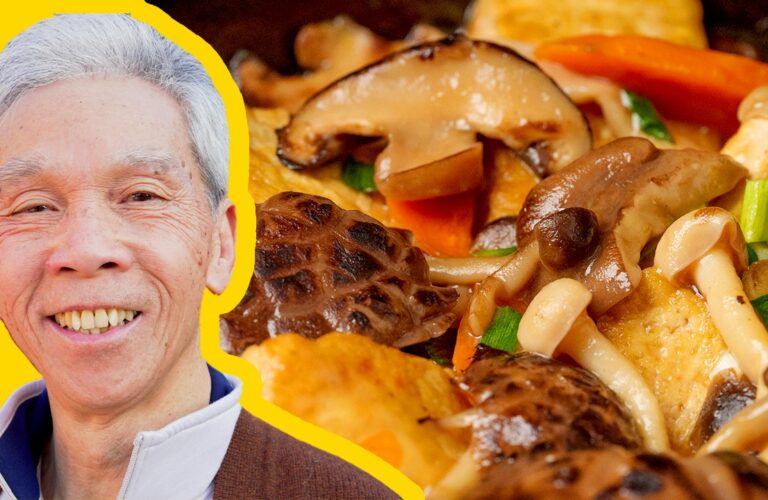
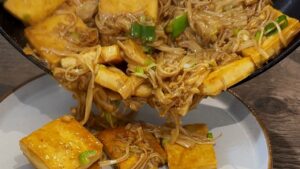
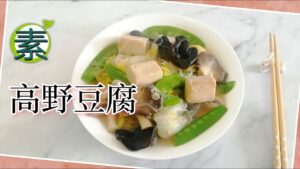
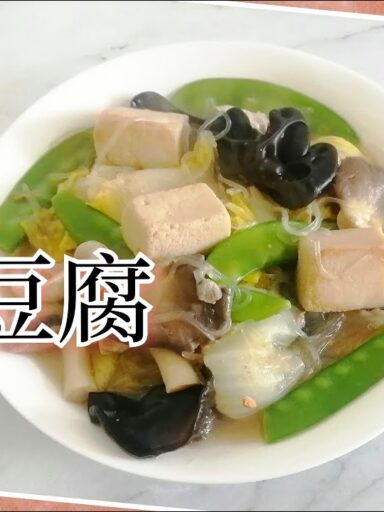
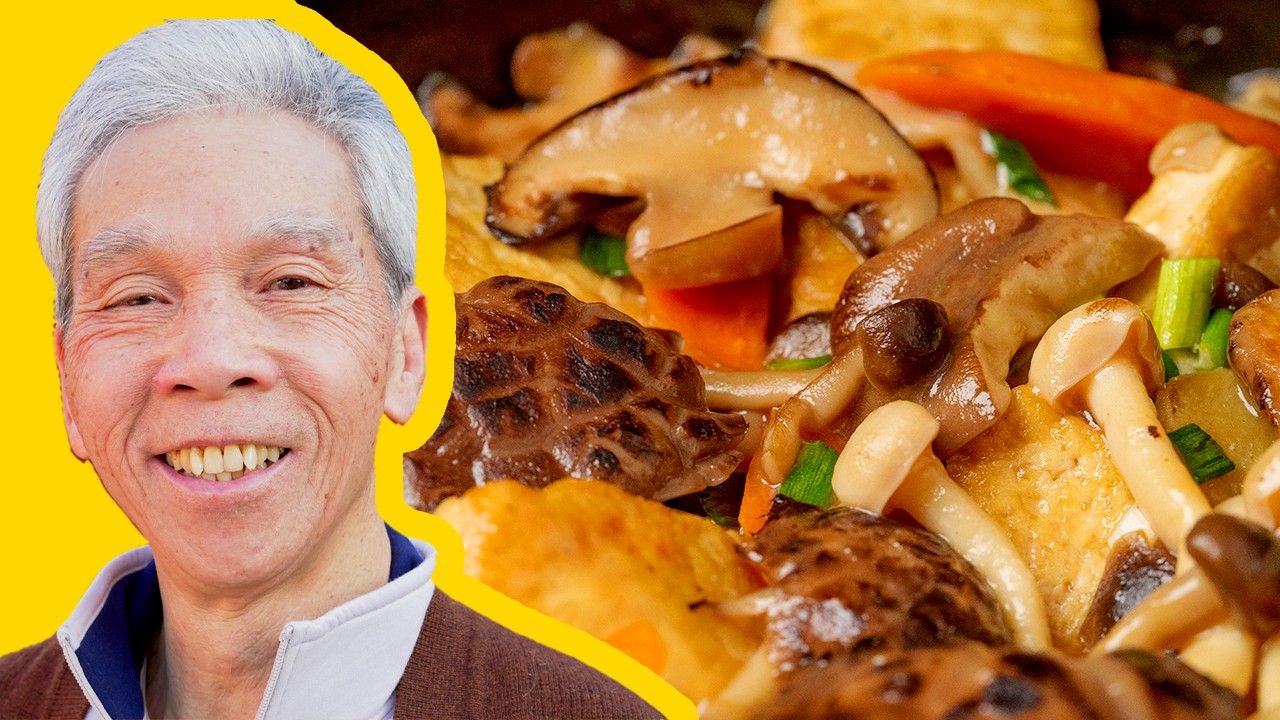
This Mushroom & Tofu Clay Pot (冬菇豆腐煲) is a classic Cantonese vegetarian dish that’s hearty, soul-warming, and surprisingly easy to make at home — no clay pot required! 这款冬菇豆腐煲是经典的广式素食煲仔菜,暖胃又健康,就算没有砂锅也能做出餐厅级别的美味。
📹 Watch the Recipe
Watch Daddy Lau from Made With Lau show you how to make this traditional Cantonese clay pot dish step by step:
🥘 Why This Recipe Works
There’s something deeply comforting about a clay pot dish bubbling away on the stove. The combination of four kinds of mushrooms — shiitake, seafood, beech, and king oyster — creates an incredible umami depth that rivals any meat-based dish. The tofu soaks up all that savory mushroom liquid, becoming tender and flavor-packed with every bite.
What makes this recipe special is Daddy Lau’s technique: pan-frying the tofu first gives it a golden crust that holds up beautifully in the clay pot, while the mushroom soaking liquid is reused as the braising base, concentrating every drop of flavor. The gentle simmering in the clay pot (or any heavy pot) allows the ingredients to meld together into a cohesive, satisfying meal.
Four types of mushrooms, pan-fried tofu, one clay pot, 30 minutes — pure Cantonese comfort.
🛒 Ingredients
| Ingredient (食材) | Amount | Notes |
|---|---|---|
| Dried shiitake mushrooms (干香菇) | 1 oz (28g) | Soaked, liquid reserved |
| Seafood mushrooms (海鲜菇) | 3 oz (85g) | Trimmed |
| Beech mushrooms (蟹味菇) | 3 oz (85g) | Trimmed |
| King oyster mushroom (杏鲍菇) | 1 large | Sliced lengthwise |
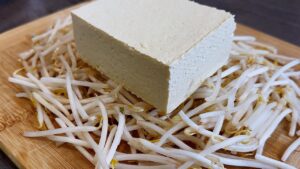
| Medium firm tofu (中硬豆腐) | 16 oz (450g) | Cut into 16 pieces |
| Carrot (胡萝卜) | 2 oz (56g) | Sliced at an angle |
| Garlic (大蒜) | 3 cloves | Sliced thin |
| Ginger (姜) | 1-inch piece | Sliced thin |
| Green onions (葱) | 2 stalks | Diced for garnish |
| Napa cabbage or snow peas (optional) | Handful | Great additions |
Seasonings
| Seasoning | Amount | Notes |
|---|---|---|
| Cooking wine (料酒) | 1 tbsp | |
| Salt (盐) | 1 tsp | |
| Sugar (糖) | 1 tsp | |
| Vegetarian oyster sauce (素蚝油) | 1 tbsp | Or regular oyster sauce |
| Light soy sauce (生抽) | 1 tbsp | |
| Dark soy sauce (老抽) | ½ tsp | For color |
| Sesame oil (芝麻油) | 1 tsp | Finishing touch |
| Cornstarch (玉米淀粉) | 2 tsp | For slurry |
| Water | 1 tbsp + 1 cup | 1 tbsp for slurry, 1 cup for braising |
👨🍳 Instructions
Step 1: Prepare the Shiitake Mushrooms
- Wash 1 oz of dried shiitake mushrooms in water, rinsing off any dust and debris.
- Soak in warm water (50-60°F) for about 15 minutes, keeping them submerged with a small plate.
- Reserve the soaking liquid — this is liquid gold for flavor!
- After soaking, slice each mushroom at an angle into 2-3 pieces.
Step 2: Prepare the Other Mushrooms & Vegetables
- Trim and discard the root ends of seafood mushrooms (3 oz) and beech mushrooms (3 oz). Rinse and drain.
- Slice the king oyster mushroom lengthwise at an angle into long pieces.
- Slice 2 oz of carrot at an angle into ¼-inch thick slices.
- Slice ginger and garlic into thin slices. Dice the green onions.
Step 3: Cut and Pan-Fry the Tofu
- Cut 16 oz of medium firm tofu into 16 rectangular pieces.
- Pat the tofu dry with paper towels to reduce splatter when frying.
- Heat a wok over high heat until it just starts to smoke. Add oil and coat the sides.
- Turn heat to medium, carefully place tofu pieces flat in the wok.
- Pan-fry for 2-3 minutes per side until golden brown.
- Remove and set aside on a plate.
Step 4: Stir-Fry the Aromatics & Mushrooms
- In the same wok with remaining oil, add ginger and garlic over high heat.
- Stir-fry for 40-50 seconds until fragrant.
- Add the rehydrated shiitake mushrooms and stir-fry for 20-30 seconds.
- Add carrot, followed by the rest of the mushrooms (seafood, beech, king oyster).
- Stir-fry on high heat for 30-40 seconds.
- Splash in 1 tbsp of cooking wine and stir-fry for another 30 seconds, then turn off heat.
Step 5: Clay Pot Cooking
- Transfer the stir-fried ingredients to a clay pot (or heavy-bottomed pot).
- Use medium heat only — never high heat with a clay pot.
- Add the reserved mushroom soaking liquid plus enough water to make 1 cup total liquid.
- Cover and bring to a boil.
- Season with: 1 tsp salt, 1 tsp sugar, 1 tbsp vegetarian oyster sauce, 1 tbsp light soy sauce, ½ tsp dark soy sauce.
- Gently place the pan-fried tofu pieces into the pot, pressing them into the liquid.
- Cover and simmer for 2-3 minutes.
Step 6: Thicken & Finish
- Mix 2 tsp cornstarch with 1 tbsp water to create a slurry.
- Uncover the pot, create a space in the center, and pour the slurry in while stirring.
- Let it simmer for another 2-3 minutes until the sauce thickens.
- Drizzle 1 tsp of sesame oil over the top.
- Garnish with diced green onions.
💡 Tips & Substitutions
| Problem | Solution |
|---|---|
| Don’t have a clay pot? | Use any heavy-bottomed pot or Dutch oven. The dish works perfectly without a traditional clay pot. |
| Can’t find these specific mushrooms? | Substitute with any mix of fresh mushrooms — shiitake, oyster, enoki, or cremini all work well. |
| Want it spicier? | Add a sliced red chili or a teaspoon of chili oil when stir-frying the aromatics. |
| Using soft/silken tofu? | Skip the pan-frying step and add the tofu directly to the pot at the end to avoid breakage. |
| Need a gluten-free version? | Use tamari instead of light soy sauce and ensure your oyster sauce is gluten-free. |
📊 Nutrition
Per serving (serves 4): ~220 calories, 12g protein, 14g carbs, 14g fat, 4g fiber. Rich in plant-based protein, iron from shiitake mushrooms, and calcium from tofu.
Ingredients
Method
Notes
🌱 Why This Dish
Clay pot cooking (砂锅菜, shā guō cài) is a cornerstone of Cantonese cuisine, with a history spanning centuries. The porous clay distributes heat gently and evenly, making it ideal for slow braising — a technique that was originally designed for cooking over open flames. In traditional Cantonese households and restaurants alike, clay pot dishes represent comfort, warmth, and family togetherness.
The name 冬菇豆腐煲 (dōng gū dòu fu bāo) breaks down simply: 冬菇 (dōng gū) means “winter mushroom” — the Cantonese term for dried shiitake — while 豆腐 (dòu fu) is tofu, and 煲 (bāo) refers to the clay pot itself. Together, they describe a dish that has been a staple of Buddhist vegetarian cuisine (素食, sù shí) in Chinese temples for generations.
What makes this dish particularly special is its connection to Chinese Buddhist culinary traditions, where monks developed incredibly creative ways to prepare plant-based meals without compromising on flavor or texture. The use of dried mushrooms for umami, the technique of pan-frying tofu for texture, and the gentle clay pot simmering — these are all hallmarks of a cuisine that elevates simple ingredients into something truly memorable.
As Daddy Lau says, “People who appreciate food want it piping hot” — and that’s exactly what a clay pot delivers, right to your table.