 Dou Dou (豆豆)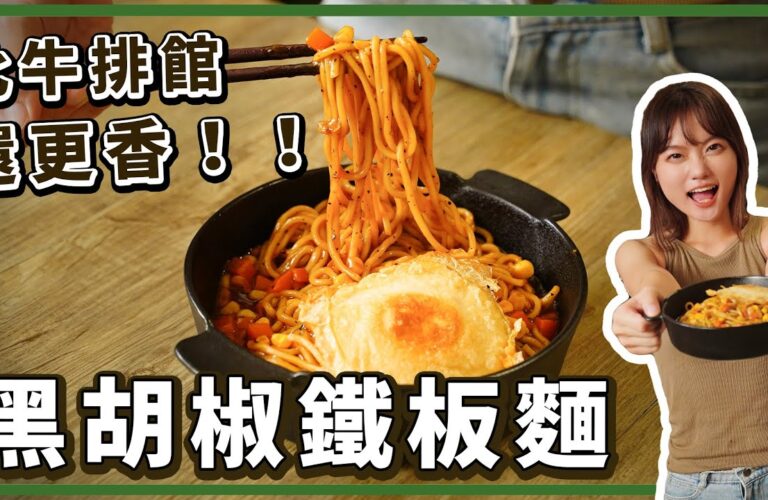
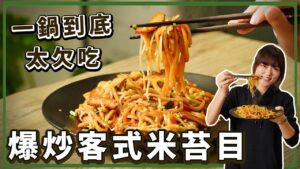
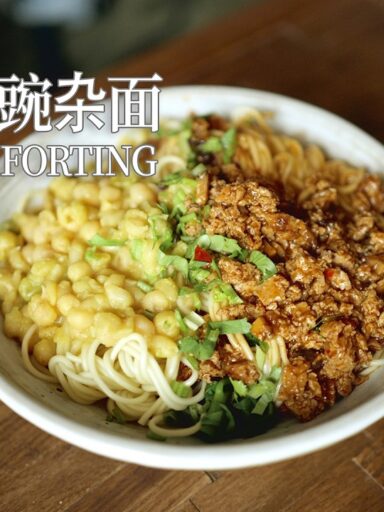
This vegan black pepper teppanyaki noodles (純素黑胡椒鐵板麵) recreates the iconic Taiwanese breakfast shop experience — sizzling hot noodles with a rich, peppery sauce, sweet corn, and a golden plant-based egg on top. Made entirely without meat, eggs, or dairy! 這道純素黑胡椒鐵板麵重現了台灣早餐店的經典滋味,熱騰騰的鐵板麵搭配濃郁黑胡椒醬、香甜玉米粒,再加上金黃酥脆的植物蛋,純素也能享受這份懷念的好味道!
📹 Watch the Recipe
Watch 野菜鹿鹿 Veggie Deer show you how to make this classic Taiwanese breakfast noodle:
🥘 Why This Recipe Works
Taiwanese breakfast shops (早餐店) hold a special place in the hearts of many — and the black pepper teppanyaki noodles (黑胡椒鐵板麵) is an absolute icon. Hot, savory, slightly tangy, and loaded with that signature black pepper kick, it’s the ultimate comfort breakfast. But traditional versions hide minced meat, bacon, or ham in the sauce, making it off-limits for vegans.
This plant-based version solves that problem beautifully. The sauce is built from soy sauce, black vinegar, ketchup, and a generous amount of freshly cracked black pepper — creating that unmistakable steakhouse-style flavor without any meat. Sweet corn and caramelized carrots add natural sweetness and texture, while a lotus root starch slurry gives the sauce that perfectly clingy, glossy consistency.
The crowning glory? A plant-based egg, pan-fried until golden and crispy-edged, sitting proudly on top. Crack it open and mix the yolk into the noodles for pure breakfast bliss.
Four key ingredients for the soul of the sauce: black vinegar for tang, ketchup for depth, black pepper for heat, and a touch of sugar for balance.
🛒 Ingredients
| Ingredient (食材) | Amount | Notes |
|---|---|---|
| Oil noodles (油麵) | 300g (10 oz) | Pre-cooked yellow noodles; or use thick udon |
| Carrot (紅蘿蔔) | ½ medium | Finely diced |
| Corn kernels (玉米粒) | ½ cup | Canned or fresh |
| Plant-based egg (植物蛋) | 1 patty | Frozen, thawed; JUST Egg or similar |
| Soy sauce (醬油) | 1 tbsp | For the sauce |
| Soy paste (醬油膏) | 1 tbsp | Thick soy sauce; or use 1 tbsp soy + ½ tsp sugar |
| Black vinegar (烏醋) | 1 tbsp | Essential for the steakhouse tang |
| Ketchup (番茄醬) | 1 tbsp | Adds depth and color |
| Sugar (糖) | 1 tsp | Balances the acidity |
| Black pepper (黑胡椒) | 2 tsp | Freshly ground preferred |
| Lotus root starch (蓮藕粉) | 1 tbsp | For thickening; or substitute potato starch |
| Cooking oil | 2 tbsp | For stir-frying |
| Water | ½ cup | For the sauce |
👨🍳 Instructions
Step 1: Prep the Vegetables
- Finely dice the carrot into small cubes — the smaller, the faster they cook.
- If using frozen plant-based egg, thaw according to package instructions.
- Drain the corn kernels if using canned.
Step 2: Fry the Plant-Based Egg
- Heat a non-stick pan with a little oil over medium heat.
- Cook the plant-based egg patty until golden and crispy on both sides (about 2-3 minutes per side).
- Set aside on a plate.
Step 3: Caramelize the Carrots
- In the same pan or a wok, add 1 tbsp oil over medium-high heat.
- Add the diced carrots and stir-fry until the edges turn golden-orange and slightly blistered — this removes the raw earthy flavor and brings out their natural sweetness (about 3 minutes).
- TIP: The carrots should look slightly translucent and singed at the edges before moving on.
Step 4: Build the Sauce
- Add the oil noodles and corn kernels to the pan with the carrots. Toss to combine.
- Add soy sauce, soy paste, black vinegar, ketchup, sugar, and a generous amount of black pepper (at least 2 teaspoons).
- Toss everything together until the noodles are evenly coated and the aroma fills the kitchen.
Step 5: Thicken & Serve
- Pour in ½ cup water and bring to a simmer.
- In a small bowl, mix lotus root starch with 2 tbsp cold water to form a slurry.
- Pour the slurry into the pan while stirring — the sauce will thicken and cling to the noodles immediately.
- Let it bubble for 30 seconds until the sauce is glossy and fully coating each strand.
- Plate the noodles and top with the crispy plant-based egg. Serve immediately!
💡 Tips & Substitutions
| Problem | Solution |
|---|---|
| Can’t find oil noodles (油麵)? | Substitute with thick udon, fresh lo mein noodles, or even spaghetti. |
| No plant-based egg available? | It’s still delicious without! Add extra corn or pan-fried tofu for protein. |
| Want a meatier texture? | Add pan-fried frozen tofu (煸凍豆腐) or chopped vegan bacon for that mince-meat bite. |
| No lotus root starch? | Use potato starch (太白粉) or cornstarch in the same ratio. |
| Too spicy / not spicy enough? | Adjust black pepper freely — the beauty of this dish is customizing the heat level. |
| Can I add other vegetables? | Absolutely! Broccoli, cabbage, or bell peppers work great when in season. |
📊 Nutrition
Per serving (serves 1-2): ~420 calories, 14g protein, 58g carbs, 16g fat, 4g fiber. This is a satisfying breakfast or quick lunch that will keep you full for hours.
Ingredients
Method
Notes
🌱 Why This Dish
黑胡椒鐵板麵 (hēi hú jiāo tiě bǎn miàn) is more than just a breakfast item in Taiwan — it’s a cultural touchstone. Served on a sizzling cast iron plate (鐵板, tiě bǎn) in traditional breakfast shops, it’s the hearty, savory option that competes with the more well-known dan bing (蛋餅) and fan tuan (飯糰).
The genius of this dish lies in its sauce. While Western black pepper sauces are typically cream-based, the Taiwanese version relies on black vinegar (烏醋, wū cù) for acidity, ketchup for a hint of sweetness and color, and a heavy hand of black pepper for that unmistakable warmth. The result is a uniquely East-meets-West flavor profile — a legacy of Taiwan’s culinary history blending Japanese teppanyaki influence with local breakfast culture.
Veggie Deer’s version brilliantly adapts this classic for the plant-based kitchen. By replacing the traditional meat-based sauce base with a combination of soy sauce and ketchup, and using plant-based egg instead of a fried chicken egg, they’ve created a version that not only matches the original but arguably surpasses it — all without a single animal product.
The lotus root starch (蓮藕粉, lián ǒu fěn) deserves special mention. Unlike cornstarch, lotus root starch creates a silky, glossy finish that doesn’t turn gluey when cooled — a small touch that makes a big difference in the final texture of the sauce.