 Dou Dou (豆豆)
This vegan Three Cup Tofu Skin (三杯豆皮) is a plant-based version of the classic Taiwanese three-cup (三杯) dish — crispy fried tofu skin simmered in a fragrant sauce of soy sauce, sesame oil, and Thai basil. No meat, no garlic, no onion — just pure comfort! 這道純素三杯豆皮是經典台式三杯料理的蔬食版本,炸豆皮在麻油、醬油和九層塔的濃郁醬汁中燜煮入味,不含肉類和蔥蒜,卻依然讓人白飯一碗接一碗!
📹 Watch the Recipe
Watch 野菜鹿鹿 Veggie Deer make this incredible vegan three-cup dish:
🥘 Why This Recipe Works
三杯 (sān bēi) literally means “three cups” — traditionally one cup each of soy sauce, sesame oil, and rice wine. It’s one of Taiwan’s most beloved cooking techniques, producing deeply savory, aromatic dishes that pair perfectly with steamed rice. The classic version uses chicken, but the sauce is so incredibly flavorful that it elevates any protein — especially tofu skin.
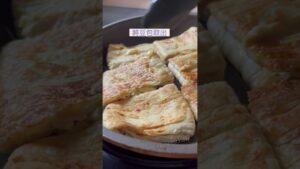
Fried tofu skin (角螺/豆皮) is the perfect canvas for three-cup cooking. Its porous, slightly chewy texture soaks up every drop of the sauce, while the initial pan-frying creates a satisfying bite. The key is to blanch the tofu skin first to remove excess oil, then fry it with deeply caramelized ginger before adding the sauce.
The combination of sesame oil, soy, and Thai basil (九層塔, jiǔ céng tǎ) — a variety of holy basil with an intense, almost peppery aroma — creates an unmistakable fragrance that fills the entire kitchen. This version skips the traditional garlic and onion to keep it fully vegan/Buddhist-friendly, without sacrificing any flavor.
The secret to great three-cup: fry the ginger until it curls, add sesame oil only at the end (never high-heat fry it), and finish with a mountain of fresh Thai basil.
🛒 Ingredients
| Ingredient (食材) | Amount | Notes |
|---|---|---|
| Fried tofu skin rolls (角螺/豆皮) | 200g (7 oz) | 也可用腐竹或豆包 |
| Old ginger (老薑) | 1 large knob | Cut into thin matchsticks |
| Thai basil (九層塔) | 1 large handful | Also called holy basil; regular basil in a pinch |
| Red chili (辣椒) | 1-2 | Optional; sliced diagonally |
| Soy sauce (醬油) | 1 tbsp | |
| Soy paste (醬油膏) | 1 tbsp | Or 1 tbsp soy + ½ tsp sugar |
| Sesame oil (麻油) | 1 tbsp | Use good quality Asian sesame oil |
| Sugar (糖) | 1 tsp | |
| Rice wine (米酒) | 1 tbsp | Optional; for aroma |
| Salt | Pinch | For blanching water |
| Cooking oil | 1 tbsp | For frying ginger |
👨🍳 Instructions
Step 1: Prep the Ingredients
- Slice the old ginger into thin matchsticks (julienne). No need to peel — the skin adds flavor.
- Slice the chilies diagonally. Remove seeds for less heat.
- Pick the Thai basil leaves from the stems. Wash and dry well.
Step 2: Blanch the Tofu Skin
- Bring a pot of water to a boil and add a pinch of salt.
- Blanch the fried tofu skin rolls for 1-2 minutes until softened. This removes excess oil from the frying process.
- Drain well. You’ll see oil floating on the water — that’s the excess you just removed!
- TIP: If you want to skip this step, substitute with fresh tofu skin (腐竹/豆包) that hasn’t been deep-fried.
Step 3: Fry the Ginger
- Heat a wok or pan with 1 tbsp cooking oil over medium heat.
- Add the ginger matchsticks and fry until they curl up and become fragrant (about 2-3 minutes). Don’t rush this step — properly caramelized ginger is the soul of any three-cup dish.
- If the ginger starts to brown too fast, reduce the heat.
Step 4: Cook the Tofu Skin
- Add the blanched tofu skin to the pan with the ginger.
- Pan-fry for 1-2 minutes, letting the tofu skin brown slightly and absorb the ginger oil.
- When the pan looks dry, add soy sauce, soy paste, sesame oil, sugar, and ½ cup water.
- Stir to combine and bring to a simmer. Let it cook for 3-4 minutes, allowing the tofu skin to absorb the sauce.
Step 5: Finish & Serve
- When most of the liquid has been absorbed but there’s still a little saucy goodness at the bottom (you want this for the rice!), add the rice wine if using.
- Toss in the Thai basil leaves and sliced chili.
- Turn up the heat and stir vigorously for 30 seconds until the basil wilts and the sauce coats everything.
- Serve immediately over steamed rice. Spoon the remaining sauce over the rice!
💡 Tips & Substitutions
| Problem | Solution |
|---|---|
| Can’t find 角螺 (fried tofu skin rolls)? | Use dried tofu sticks (腐竹) soaked until soft, or fresh tofu sheets (豆包). |
| What is 九層塔 exactly? | It’s Thai holy basil — more aromatic than Italian basil. Found at Asian grocery stores. Regular basil works but the flavor will be milder. |
| No rice wine? | Skip it! The dish is still incredibly flavorful. Or use a splash of mirin. |
| Sesame oil gets bitter? | Sesame oil should be added AFTER the high-heat frying — never fry it alone on high heat. Add it with the other liquids. |
| Too oily? | Blanch the tofu skin longer or use fresh (unfried) tofu skin for a lighter version. |
| Want more protein? | Add pan-fried king oyster mushrooms or vegan chicken pieces along with the tofu skin. |
📊 Nutrition
Per serving (serves 2): ~320 calories, 18g protein, 12g carbs, 22g fat, 3g fiber. Tofu skin is surprisingly protein-rich, making this a satisfying main dish.
Ingredients
Method
Notes
🌱 Why This Dish
三杯 (sān bēi, “three cups”) is one of Taiwan’s most iconic cooking methods, with origins tracing back to Jiangxi province in mainland China. The name refers to the three “cups” of sauce ingredients traditionally used — soy sauce, sesame oil, and rice wine (米酒, mǐ jiǔ). In Taiwanese cuisine, the addition of ginger, garlic, chili, and copious amounts of 九層塔 (jiǔ céng tǎ, “nine-story basil” — the local name for Thai holy basil) creates the signature aromatic profile that makes three-cup dishes instantly recognizable.
While 三杯雞 (three-cup chicken) is the most famous version, the technique is incredibly versatile. In Buddhist vegetarian (素食, sù shí) cooking, three-cup dishes are often made with tofu skin, mushrooms, or gluten-based proteins — and the results can be even more satisfying than the original because the sauce gets fully absorbed into the porous ingredients.
角螺 (jiǎo luó, literally “horn snail”) is the Taiwanese name for deep-fried tofu skin rolls. Despite the name, it’s completely plant-based — just soybean sheets rolled up and fried until golden and crispy. When blanched to remove excess oil, it transforms into a chewy, meaty-textured ingredient that’s perfect for braised dishes. This humble ingredient is a staple of Taiwanese vegetarian buffet restaurants (素食自助餐), where it’s often the first thing to sell out.
This version from Veggie Deer is notable for being 純素 (chún sù, pure vegan) — no garlic, onion, or any of the five pungent spices (五葷, wǔ hūn) that are avoided in strict Buddhist vegetarian cooking. The ginger does the heavy lifting for depth, proving that you don’t need pungent aromatics to create a deeply satisfying three-cup experience.