 Dou Dou (豆豆)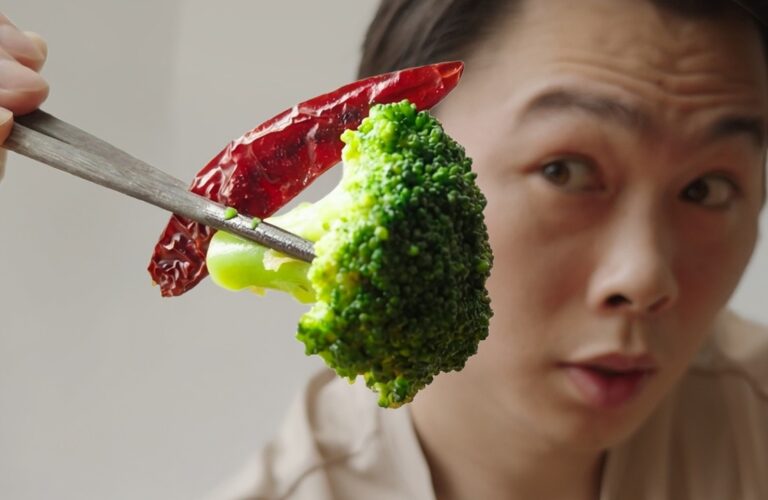
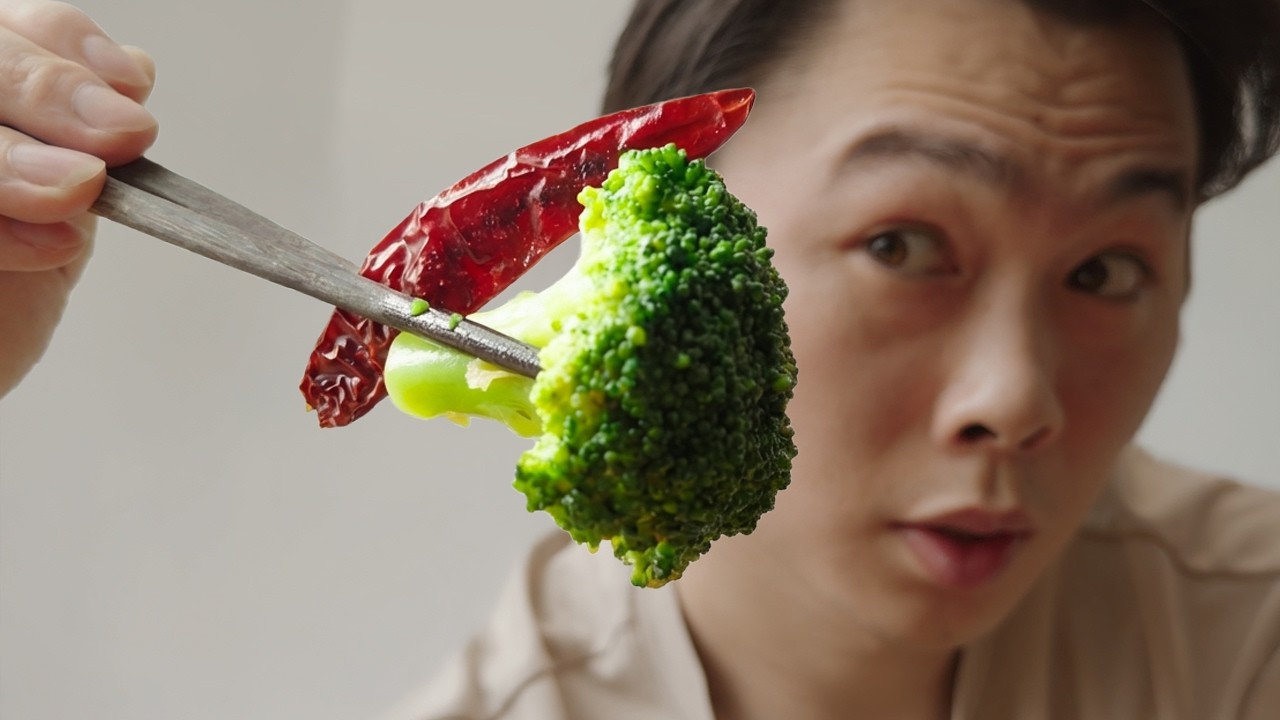
This lightning-fast Sichuan 炝炒 (qiàng chǎo) transforms humble broccoli into a smoky, crunchy, and addictive dish that will make you forget every soggy vegetable you have ever eaten. 这道炝炒西兰花用干辣椒和花椒炝锅,高温快炒保留脆嫩口感,麻香微辣,是川菜素炒的经典代表。
📹 Watch the Recipe
Video by Lionel Zeng (@LionelZeng)
🥘 Why This Recipe Works
Most people boil broccoli into submission — a sad, waterlogged affair that tastes vaguely of regret. But in Sichuan cooking, broccoli (or really any green vegetable) gets the star treatment: a screaming-hot wok, aromatic spices, and a lightning-fast toss that transforms it into something you would never expect. This is 炝炒 (qiàng chǎo), the Sichuan technique of “explosive stir-frying” where dried chilies and Sichuan peppercorns are bloomed in smoking oil before the main ingredient hits the wok.
The magic is in the contrast. The broccoli emerges with a light char (wok hei), still crunchy and bright green, while the oil carries the tongue-tingling 麻辣 (málà — numbing and spicy) sensation of Sichuan peppercorns and the deep smokiness of dried chilies. A simple sauce of soy sauce, sugar, and a touch of starch clings to every floret. The stem is not wasted either — peeled and sliced, it becomes a tender, sweet addition that adds texture and reduces food waste.
6 ingredients (plus pantry staples), one wok, 10 minutes — start to plate. Once you learn the 炝炒 technique, you can apply it to bok choy, cabbage, green beans, or any sturdy green.
🛒 Ingredients
| Ingredient | Amount | Notes |
|---|---|---|
| Broccoli (西兰花) | 1 large crown | Cut into florets, stem peeled and sliced |
| Garlic (大蒜) | 3 cloves | Roughly chopped |
| Ginger (生姜) | 1 thumb-sized piece | Smashed and roughly chopped |
| Dried red chilies (干辣椒) | 2 | Broken into pieces, seeds optional |
| Sichuan peppercorns (花椒) | 1 pinch | About 10–15 berries |
| High smoke-point oil (植物油) | 1 tbsp | Vegetable, canola, or grapeseed |
| Soy sauce (酱油) | 1 tbsp | Light soy preferred |
| Sugar (糖) | 1 tsp | White or cane sugar |
| Cornstarch (玉米淀粉) | ½ tsp | Or potato starch |
| Salt (盐) | To taste | For blanching water + sauce |
| MSG (味精) | 1 pinch | Optional but recommended |
👨🍳 Instructions
Step 1: Prep the Broccoli
- Cut the florets off the main stem. For larger florets, slice halfway through the stem and pull apart by hand — do not cut through the buds or they will crumble.
- Peel the tough outer skin off the main stem and slice the tender inner core into bite-sized pieces. It is delicious and reduces waste!
Step 2: Make the Sauce
- In a small bowl, mix 1 tbsp soy sauce, 1 tsp sugar, ½ tsp cornstarch, a pinch of salt, and 1 pinch MSG (if using). Stir well and set aside.
Step 3: Blanch the Broccoli
- Bring a pot of water to a boil. Add 1 tsp salt and 1 tsp oil (this prevents oxidation and keeps the broccoli bright green).
- Blanch the broccoli for 2–3 minutes until just tender-crisp. Drain immediately and rinse with cold water to stop cooking. Drain thoroughly.
Step 4: Bloom the Spices
- Heat 1 tbsp oil in a wok or pan over high heat until smoking (about 400°F / 200°C).
- Add the broken dried chilies and Sichuan peppercorns. Sauté for 10–15 seconds until the chilies darken slightly and become deeply fragrant. Be careful not to burn them.
Step 5: Stir-Fry
- Immediately add the drained broccoli, chopped garlic, and ginger to the wok.
- Stir-fry vigorously over high heat for 1–2 minutes, letting the broccoli develop a light char (wok hei).
Step 6: Sauce and Serve
- Give the sauce a quick stir (starch settles at the bottom) and pour it over the broccoli.
- Toss well to coat every piece evenly. Transfer to a plate and serve immediately while still hot and crunchy.
💡 Tips & Substitutions
| Problem / Question | Fix / Answer |
|---|---|
| No Sichuan peppercorns? | Skip them — the dish will still be delicious with just dried chilies. Add a pinch of red pepper flakes for extra heat. |
| Broccoli too watery after blanching? | Drain very thoroughly and pat dry with a paper towel before stir-frying. Excess water kills the wok hei and prevents charring. |
| Can I use frozen broccoli? | Fresh is strongly preferred. Frozen broccoli releases too much water and will steam rather than char. Stick with fresh for the best texture. |
| Want it spicier? | Keep the seeds in the dried chilies or add 1–2 more chilies. A drizzle of chili oil at the end also works beautifully. |
| Can I use this technique with other vegetables? | Absolutely! Bok choy, Chinese broccoli (gai lan), green beans, cabbage, and even zucchini all work wonderfully with 炝炒. |
📊 Nutrition
Per serving (serves 2 as a side): ~120 calories | 7g fat | 12g carbs | 4g protein | 4g fiber
Low-calorie, high in vitamin C and fiber. Vegan, gluten-free (use tamari instead of soy sauce), and oil-free optional (steam instead of blanch + water-sauté).
Ingredients
Method
Notes
🌱 Why This Dish
炝炒 (qiàng chǎo) — “explosive stir-fry” — is a classic Sichuan technique that relies on intense heat and aromatic spices to transform vegetables. The word 炝 (qiàng) literally means “to irritate the throat” or “pungent,” referring to the way dried chilies and Sichuan peppercorns release their volatile oils into smoking oil, creating a fragrant, almost smoky base that infuses every bite.
This technique reflects the genius of Sichuan home cooking: simple ingredients, bold flavors, minimal effort. While Western cooking often relegates broccoli to a steamed side dish, Sichuan cuisine elevates it to a starring role. The combination of 麻辣 (málà — numbing and spicy) with the natural sweetness of blanched broccoli creates a harmony that is both satisfying and virtuous.
In Buddhist vegetarian cooking (素食), 炝炒 is a go-to technique because it delivers big flavor without any animal products. It is commonly served in temple kitchens and home meals alike, often alongside a simple soup and rice for a complete, wholesome meal. The Chinese name 西兰花 (xī lán huā) literally means “Western orchid flower,” a poetic nod to broccoli’s foreign origins and its beautiful tree-like shape. This dish is a celebration of how Sichuan cooking can transform even the humblest vegetable into something extraordinary.