 Dou Dou (豆豆)
This Shanghai-style crispy mushroom steak with vegetable rice is a satisfying plant-based take on a classic Jiangnan comfort dish — golden-crusted king oyster mushroom cutlets served with fragrant cabbage-studded rice. 這道上海香酥菇扒菜飯是經典江南家常菜的純素演繹——外酥內嫩的金黃雞腿菇扒配上清甜的大白菜飯,一盤便是一頓滿足的素食盛宴。
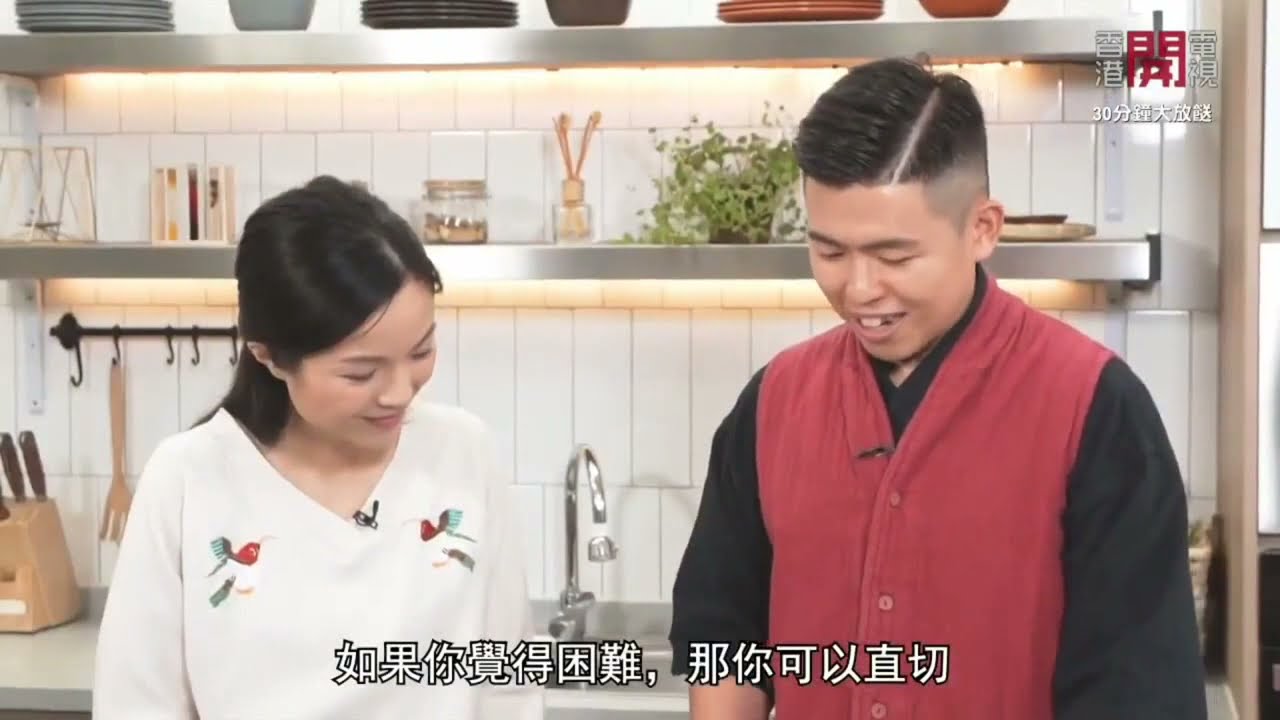
📹 Watch the Recipe
Recipe by 素食教煮 Veggie So Easy (Hong Kong vegan cuisine):
🥘 Why This Recipe Works
The magic of this dish lies in its clever use of king oyster mushrooms (雞腿菇). Unlike most mushroom preparations that slice the stem lengthwise, this recipe takes the whole thick middle section, scores it into a “cutlet” shape, marinates it in a fragrant blend of curry powder, turmeric, lemongrass, and coriander root, then coats it in a crispy batter and deep-fries to golden perfection. The result is a “mushroom steak” (菇扒) with a satisfying crunch and a tender, juicy interior — a texture that rivals any meat-based schnitzel.
But this isn’t just a fried mushroom dish — it’s a complete one-plate meal. The vegetable rice (菜飯) uses the head and tail trimmings of the same mushrooms, along with diced Chinese cabbage and firm tofu, stir-fried with leftover rice. It’s the perfect example of zero-waste cooking: every part of the mushroom is used, and the cabbage water squeezed from salting becomes a natural seasoning liquid for the rice. 13 ingredients, one 30-minute cook time, and a complete dinner in a single plate.
The Shanghai connection comes from 菜飯 (cài fàn), a classic Shanghainese preparation of greens and rice cooked together. This version elevates it with a crispy mushroom cutlet on top — a fusion of home-style rice cooking with restaurant-quality presentation. It’s the kind of meal that impresses guests but is simple enough for a weekday dinner.
🛒 Ingredients
| Ingredient 食材 | Amount 份量 | Notes 備註 |
|---|---|---|
| King oyster mushroom (middle section) 雞腿菇 (中間部份) | 2 large | Thick middle cut; save head/tail for rice |
| Curry powder 咖喱粉 | 2 tsp | For marinade and batter |
| Turmeric powder 黃薑粉 | ⅔ tsp | For colour and marinade |
| Minced ginger 薑米 | 1 tsp | Freshly minced |
| Chopped lemongrass 香茅碎 | 3 tsp + 1 tbsp | Split between steak marinade and rice |
| Chopped coriander root 芫茜根碎 | 2 tsp + 2 tsp | Split between steak marinade and rice |
| Shiitake mushroom powder 香菇粉 | 1 tsp + to taste | Split between marinade and rice |
| Sea salt 海鹽 | 1 tsp + to taste | For marinade and seasoning |
| Vegetarian oyster sauce 素蠔油 | 1 tbsp | Key umami base for marinade |
| Sesame oil 麻油 | 2 tsp | Aromatic finish for marinade |
| Self-raising flour 自發粉 | 180g | For dusting and batter |
| Vegetable oil 菜油 | 2 tbsp + for frying | For batter and deep-frying |
| Cooked pearl rice (overnight preferred) 珍珠米 | 3 bowls | Day-old rice works best for fried rice |
| Chinese cabbage (diced) 大白菜 (切粒) | 300g | Salted, squeezed, reserve liquid |
| Firm tofu (diced) 豆乾 (切粒) | 2 pieces | Soaked in hot water first |
👨🍳 Instructions
Step 1 — Prepare the Vegetable Rice Base
- Dice the Chinese cabbage, sprinkle with sea salt, and let rest for a few minutes. Press firmly to squeeze out the liquid — reserve this cabbage water for later.
- Soak the firm tofu pieces in hot water, then drain and dice into small cubes.
- Finely dice the reserved head and tail sections of the king oyster mushrooms, along with the lemongrass, coriander root, and ginger.
Step 2 — Cook the Vegetable Rice
- Heat oil in a wok or large pan. First fry the diced mushroom pieces until fragrant and lightly golden.
- Add the diced tofu and continue frying until both mushrooms and tofu are nicely browned.
- Toss in the lemongrass, coriander root, and ginger — stir-fry until aromatic. Then add the pressed cabbage and a splash of the reserved cabbage water.
- Season with shiitake mushroom powder and salt to taste. Fold in the pre-cooked rice and stir-fry until everything is evenly distributed and heated through. Set aside.
Step 3 — Prepare the Mushroom Steak
- Bring a pot of water to a gentle simmer. Add the thick middle sections of king oyster mushroom, cover, and steam-poach until tender. Remove and let cool.
- Flatten each mushroom piece gently with the side of a cleaver, then score a crosshatch pattern on both sides — this helps the marinade penetrate and creates the “steak” texture.
- Mix the marinade: combine 2 tsp lemongrass, 2 tsp coriander root, curry powder, turmeric, shiitake powder, salt, vegetarian oyster sauce, sesame oil, and a splash of water. Coat the mushroom cutlets thoroughly and marinate for at least 30 minutes.
Step 4 — Make the Crispy Batter
- Take ⅔ of the self-raising flour and mix with water and vegetable oil until smooth. Add a pinch of turmeric and curry powder along with the remaining lemongrass for extra colour and aroma.
- Let the batter rest for 20–30 minutes — this allows the self-raising flour to activate, creating a lighter, airier crust.
Step 5 — Fry the Mushroom Steak
- Dust the marinated mushroom cutlets lightly with the remaining self-raising flour (dry coating), then dip into the prepared batter, ensuring full coverage.
- Heat oil in a deep pan or wok to 170°C (340°F). Carefully place the battered mushroom in the oil, then reduce the heat slightly.
- Let it fry undisturbed until it floats to the surface. Use a ladle to spoon hot oil over any exposed areas for even cooking. Flip once the underside is golden and crispy.
- After both sides are cooked through, turn the heat back to high and fry for a final 30 seconds to extra-crisp the crust. Drain on a wire rack or paper towel.
Step 6 — Serve
- Slice the crispy mushroom steak into thick strips. Serve alongside or atop a generous mound of the vegetable rice.
- Garnish with fresh coriander, a sprinkle of white pepper, or a drizzle of chilli oil for extra heat.
💡 Tips & Substitutions
| Problem 問題 | Solution 解決方法 |
|---|---|
| No self-raising flour? | Use all-purpose flour + 1 tsp baking powder per 180g. Sift together before using. |
| Don’t have coriander root? | Coriander stems work almost as well — they have the same aromatic quality. Or substitute with a pinch of ground coriander seed. |
| Can I bake instead of deep-fry? | Yes — brush the battered mushroom with oil and bake at 200°C (400°F) for 20–25 minutes, flipping halfway. The texture will be less shatteringly crisp but still delicious. |
| No vegetarian oyster sauce? | Substitute with 1 tbsp dark soy sauce + ½ tsp sugar + 1 tsp mushroom powder for a similar umami depth. |
| Can I use brown rice? | Absolutely — brown rice works well, though the texture will be chewier. Adjust the stir-fry time and add a little extra cabbage water for moisture. |
📊 Nutrition
Per serving (½ mushroom steak + 1½ cups vegetable rice): ~485 calories | 18g protein | 52g carbs | 22g fat | 6g fibre | Excellent source of B-vitamins, iron, and potassium from mushrooms and cabbage. High in dietary fibre from whole ingredients.
🌱 Why This Dish
Ingredients
Method
Notes
Shanghai-style vegetable rice (上海菜飯) has been a humble staple in Jiangnan households for generations. Traditionally made with Shanghai bok choy or Chinese cabbage and lard, it was a way to stretch simple ingredients into a satisfying meal. This Buddhist-friendly version swaps the lard for aromatic vegetable oil and plant-based seasonings, making it accessible to vegan and vegetarian eaters while keeping the soul of the dish intact.
The name “菇扒” (gū pá) literally means “mushroom steak” — the character 扒 (pá) refers to a Chinese cooking technique where ingredients are slow-braised or pressed into a cutlet shape, then pan-fried or deep-fried. It’s the same character used in 牛扒 (beef steak) or 雞扒 (chicken cutlet). Using king oyster mushroom for this treatment is a brilliant vegetarian innovation — the thick, meaty stem has the perfect density to be scored, marinated, and fried into a convincing “steak” that even meat-eaters will love.
In Chinese Buddhist vegetarian cuisine (齋菜), mock meats made from mushrooms and wheat gluten have a long history stretching back to the Tang Dynasty. This recipe continues that tradition with a modern, Southeast Asian-inflected twist — the lemongrass, coriander root, and curry powder reflect Hong Kong’s multicultural culinary landscape, where Cantonese techniques meet Southeast Asian aromatics. The result is a dish that’s both deeply traditional and refreshingly contemporary.