 Dou Dou (豆豆)
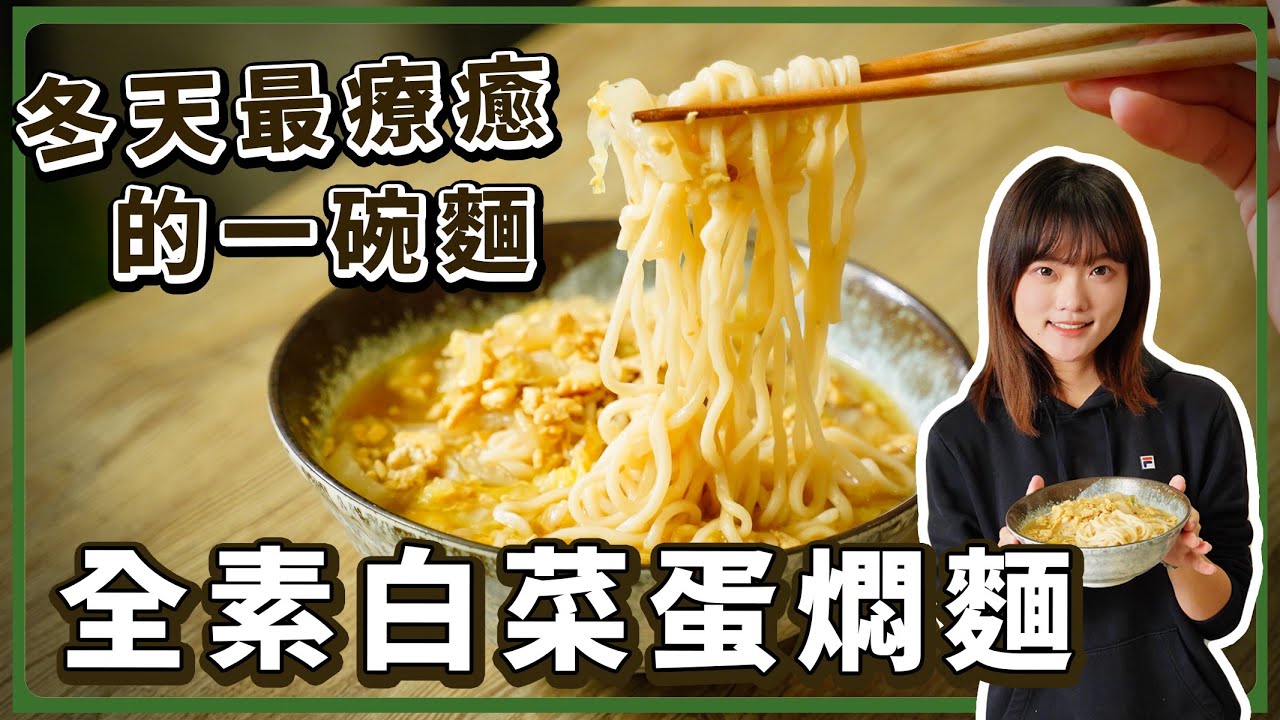
This comforting one-pot noodle dish features sweet napa cabbage and pan-fried tofu that mimics scrambled egg, all simmered in a fragrant Sichuan peppercorn broth. 這道暖心的一鍋燜麵,用鮮甜的大白菜和煎出蛋香的板豆腐,搭配花椒的獨特香氣,打造出最樸實卻療癒的家常味道。
📹 Watch the Recipe
Recipe by 野菜鹿鹿 Veggie Deer
🥘 Why This Recipe Works
There’s something magical about a one-pot noodle dish that fills your kitchen with the aroma of slowly braised cabbage and toasted peppercorns. This Taiwanese home-style recipe proves that simplicity is the ultimate sophistication — just 9 ingredients, one pot, and 25 minutes from start to finish.
The secret lies in two clever techniques. First, crumbled firm tofu is pan-fried until golden and crisp, creating an egg-like texture that adds protein and savory depth without any animal products. Then, Sichuan peppercorns are bloomed in the rendered tofu oil, releasing their citrusy, numbing fragrance without overwhelming the palate. The napa cabbage does the rest — as it simmers, it releases natural sweetness that transforms plain water into a rich, soulful broth.
It’s the kind of meal you make when you’re tired, busy, or craving something that feels like a warm hug. No complicated steps, no obscure ingredients — just honest cooking that tastes like home. 9 ingredients, one pot, 25 minutes.
🛒 Ingredients
| Ingredient | Amount | Notes |
|---|---|---|
| Napa cabbage 大白菜 | ½ head (500g) | Cut into 2cm-wide strips |
| Firm tofu 板豆腐 | 1 block (300g) | Crumbled into small pieces |
| Sichuan peppercorns 花椒 | 1 tsp | Or substitute 1 star anise |
| Noodles 麵條 | 1 portion (150g) | Dry or fresh; thick noodles preferred |
| Soy sauce 醬油 | 2 tbsp | For savory depth |
| Salt 鹽巴 | ½ tsp | Or to taste |
| White pepper 白胡椒粉 | ¼ tsp | Subtle warmth |
| Cooking oil 油 | 2 tbsp | Neutral oil (sunflower, canola) |
| Water 水 | 600ml | For the braising broth |
👨🍳 Instructions
Step 1 — Prepare the Cabbage
- Separate napa cabbage leaves and wash thoroughly to remove any dirt between the layers.
- Cut into 2cm-wide strips — not too thin, so they retain texture after braising.
Step 2 — Pan-fry the Tofu “Egg”
- Heat oil in a deep pot or wok over medium heat.
- Crumble firm tofu directly into the pot, breaking it into small, uneven pieces.
- Pan-fry for 5–6 minutes, stirring occasionally, until golden brown and all moisture has evaporated. The tofu should resemble scrambled egg — crispy on the outside, tender within.
Step 3 — Bloom the Sichuan Peppercorns
- Add Sichuan peppercorns to the pan and stir for 30 seconds until fragrant.
- Do not over-toast — peppercorns turn bitter if cooked too long. The moment you smell their citrusy aroma, move to the next step.
- If substituting with star anise or bay leaf, add them at this stage.
Step 4 — Cook the Cabbage
- Add the cabbage strips and turn the heat to high.
- Stir-fry for 2–3 minutes until the cabbage begins to soften and turn translucent.
- Season with soy sauce, salt, and white pepper. Continue stir-frying for about 1 minute until the sauce aroma releases.
Step 5 — Braise the Noodles
- Pour in 600ml water and bring to a rolling boil.
- Add the noodles (break in half if using extra-long noodles).
- Cover and simmer on medium heat for exactly 5 minutes. Don’t reduce to low — the noodles need gentle bubbling to release starch, which thickens the broth naturally.
Step 6 — Serve
- The noodles should be slightly soft and the broth lightly thickened from the released starch.
- Taste and adjust seasoning with a pinch more salt or a dash of soy sauce if needed.
- Serve piping hot, garnished with chopped scallions or cilantro if desired.
💡 Tips & Substitutions
| Problem | Solution |
|---|---|
| No Sichuan peppercorns? | Substitute 1 star anise or 2 bay leaves for a different but equally lovely aromatic profile. The flavor won’t be numbing, but it will be fragrant. |
| Noodles came out too soft? | Reduce simmer time to 3–4 minutes, or use thicker udon-style noodles that hold their shape better during braising. |
| Want more protein? | Add sliced shiitake mushrooms or an extra block of crumbled tofu. Pan-fry alongside the main tofu for a heartier meal. |
| Broth too thin? | Simmer uncovered for 2 extra minutes after the noodles are done. The starch will concentrate and the broth will thicken naturally. |
📊 Nutrition
~480 calories per serving (2 servings total) | Protein 18g | Carbs 55g | Fat 22g | Fiber 6g | Sodium 680mg
Ingredients
Method
Notes
🌱 Why This Dish
This dish embodies the Taiwanese philosophy of yīguō dàodǐ (一鍋到底) — “one pot all the way” — where maximum flavor is extracted from minimum ingredients and cookware. It’s a cornerstone of home cooking across Taiwan, prized for its efficiency and deeply satisfying results.
The technique of pan-frying tofu to mimic scrambled eggs is a brilliant vegan innovation rooted in Buddhist temple cuisine (素食/齋菜). In Taiwanese Buddhist monasteries, where eggs and dairy are avoided alongside meat, cooks developed clever plant-based substitutions that recreate familiar textures and comfort. The tofu “egg” in this dish is a perfect example — visually and texturally convincing, yet completely plant-based.
Napa cabbage (大白菜, dà bái cài — literally “big white vegetable”) holds special significance in Chinese culinary culture. It symbolizes prosperity and is a winter staple across East Asia. At its peak from December through February, cold-weather cabbage develops higher sugar content, making it naturally sweet and ideal for braising.
The braised noodle technique (燜麵, mèn miàn) is distinct from soup noodles — the noodles cook directly in a measured amount of seasoned liquid, absorbing the flavors while releasing starch that creates a silky, clinging sauce. It’s the noodle equivalent of a perfect risotto: each strand infused with the essence of every ingredient in the pot. A humble, honest dish that proves the best cooking often comes from the simplest places.