
 Dou Dou (豆豆)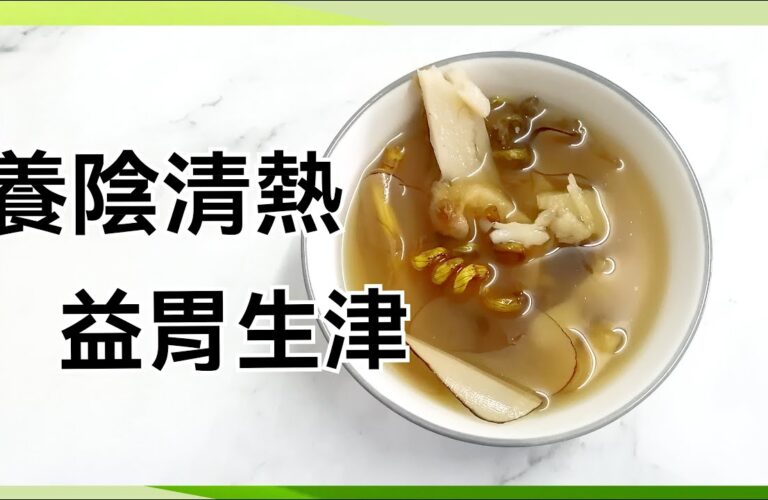
This Cantonese-style healing broth is the classic autumn answer to parched skin, dry coughs, and restless nights — a gentle tonic that soothes the body from the inside out. 這道廣東式清潤素湯是秋天養生的最佳伙伴,滋陰潤肺、益胃生津,一碗下肚,皮膚和睡眠都變得安穩舒服。
📹 Watch the Recipe
Channel credit: 素食好煮意 (Vegan Idea)
🥘 Why This Recipe Works
There are soups that feed you, and soups that restore you — this is firmly the second kind. 石斛海底椰素湯 (Dendrobium & Sea Coconut Soup) is the kind of slow-simmered tonic that grandmothers in Hong Kong and Guangzhou watch over for an hour, believing that a good pot of soup is the surest way to keep a family healthy through the changing seasons. The moment it bubbles on the stove, the whole kitchen smells like gentle, herbal comfort.
What makes this broth special is the quiet intelligence of its ingredients. Slim slivers of 石斛 dendrobium add a sweet, gel-like richness; 海底椰 sea coconut brings a creamy coconut note; and 淮山, 蓮子 and 百合 weave in starchiness, calm and sweetness. Together they work on the body’s yin — the cooling, moisturising energy — which is exactly what you want when autumn winds dry out your skin and your sleep turns shallow.
Best of all, it could not be simpler: 9 herbs and fruits, one pot, about 75 minutes of gentle simmering, and it does all the work by itself.
🛒 Ingredients
The recipe below yields roughly 3 rice bowls of soup (about 1200ml water). All ingredients are dried, so they keep for months in your pantry — a lovely habit to build for cold season.
| Ingredient | Amount | Notes |
|---|---|---|
| 石斛 (Dendrobium stems) | 5 g | Sweet, gel-rich; the star tonic herb |
| 海底椰 (Sea coconut slices) | 5 g | Cooling, moisturising, gently coconut-y |
| 淮山 (Dried Chinese yam) | 8 g | Neutral and nourishing; adds subtle starch |
| 蓮子 (Dried lotus seeds) | 8 g | Calming; helps you sleep |
| 百合 (Dried lily bulb) | 8 g | Moistens lungs, soothes throat |
| 海玉竹 (Sea Solomon’s seal) | 8 g | Yin-nourishing, thirst-quenching |
| 麥冬 (Ophiopogon root) | 5 g | Cooling; omit if your body runs cold |
| 無花果 (Dried figs) | 3 | Natural sweetness + gentle laxative fibre |
| 陳皮 (Dried tangerine peel) | 1 slice | Warms the stomach, aids digestion |
| 清水 (Water) | 1200 ml | Yields ~3 bowls of finished soup |
👨🍳 Instructions
Step 1: Rinse & soak
- Rinse the 石斛 dendrobium, 海底椰 sea coconut, 淮山 yam, 蓮子 lotus seeds, 百合 lily bulb, 海玉竹 and 麥冬 under running water once or twice.
- Soak them so they hydrate and open up — a 1-hour soak for the yam and lotus seeds, 15–20 minutes for the rest.
Step 2: Prep the extras
- Rinse the 3 dried figs and snip each one open into two or three pieces as they go into the pot.
- Take the slice of 陳皮 tangerine peel and scrape away the bitter white pith from the inside with a small knife.
Step 3: Combine everything
- Put every soaked ingredient, the cut figs and the cleaned peel into a large pot.
- Pour in 1200ml of cold water — always start with cold water so the herbs release their flavour gradually.
Step 4: Bring to a rolling boil
- Set over high heat and bring to a vigorous boil.
- Let it boil on high for about 15 minutes to draw the fragrance and colour from the herbs.
Step 5: Simmer low & slow
- Drop the heat to medium-low, cover, and simmer gently for about 1 hour.
- The liquid will reduce to roughly three rice bowls of golden, fragrant broth.
- Season lightly with salt to taste if you like, though the figs and yam already give it a delicate sweetness.
Step 6: Serve warm
- Ladle into bowls while hot and drink it as a soothing evening tonic.
- Any extra keeps well refrigerated for 2–3 days — simply reheat gently.
💡 Tips & Substitutions
| Problem | Fix |
|---|---|
| I have a cold body / cold hands and feet — can I still drink it? | Yes, but skip the 麥冬 ophiopogon and add a few extra slices of warming 陳皮 or a knob of ginger. 海底椰 and 麥冬 are both cooling, so adjust for your own constitution. |
| I can’t find 石斛 or 海底椰 at my store. | Both are available at most Chinese herbal shops and online. If 海底椰 is hard to find, fresh coconut flesh or coconut shreds make a good substitute; if 石斛 is missing, add a little more 海玉竹 and 淮山. |
| Can I use a slow cooker or instant pot? | Yes. A slow cooker: cook on low for 4–5 hours. An instant pot: 30 minutes high pressure plus natural release. Both yield a similar light, clear broth. |
| Is this a dessert or a savoury soup? | It’s a savoury medicinal soup, only very gently sweet. If you prefer extra sweetness, add 1–2 more dried figs or a small piece of rock sugar at the end. |
| Can I keep the leftovers? | Absolutely — refrigerate for 2–3 days and reheat gently. You can also freeze it in portions for a quick restorative night. |
📊 Nutrition
Per serving (1 of 3 bowls): ~55–70 calories, ~1g protein, ~1g fat, ~13g carbs. This is a light, mineral-rich broth — almost all the substance is water, healing compounds and gentle natural sugars from the figs and yam.

Ingredients
Method
- Rinse the 石斛 dendrobium, 海底椰 sea coconut, 淮山 yam, 蓮子 lotus seeds, 百合 lily bulb, 海玉竹 and 麥冬 under running water once or twice. Soak them so they hydrate and open up — a 1-hour soak for the yam and lotus seeds, 15–20 minutes for the rest.
- Rinse the 3 dried figs and snip each one open into two or three pieces as they go into the pot. Take the slice of 陳皮 tangerine peel and scrape away the bitter white pith from the inside with a small knife.
- Put every soaked ingredient, the cut figs and the cleaned peel into a large pot. Pour in 1200ml of cold water — always start with cold water so the herbs release their flavour gradually.
- Set over high heat and bring to a vigorous boil. Let it boil on high for about 15 minutes to draw the fragrance and colour from the herbs.
- Drop the heat to medium-low, cover, and simmer gently for about 1 hour. The liquid will reduce to roughly three rice bowls of golden, fragrant broth. Season lightly with salt to taste if you like, though the figs and yam already give it a delicate sweetness.
- Ladle into bowls while hot and drink it as a soothing evening tonic. Any extra keeps well refrigerated for 2–3 days — simply reheat gently.
Notes
🌱 Why This Dish
石斛海底椰素湯 belongs to the great Cantonese tradition of lauh tong (老火湯), long-simmered soups, where soups are simmered for an hour or more and drunk as daily preventive medicine rather than just an appetiser. Every family has its own seasonal rotation — cooling broths for summer, moisturising ones for autumn — and this pot is squarely an autumn–winter favourite.
The name 石斛 (shí hú) refers to the dried stems of the dendrobium orchid, an old friend of traditional Chinese herbal medicine known for nurturing yin, clearing heat and generating fluids. Its character 斛 is an old measure-weight; the orchid’s stems were so prized they were once counted in these units. 海底椰 (hǎi dǐ yē) is sea coconut — not the seed you find on tropical beaches but a sugar-palm fruit sliced thin and dried, named for its history of drifting across the sea.
Though it is born of Chinese medicine, this recipe is completely plant-based and Buddhist-kitchen friendly (齋, zhāi) — no animal products, no onion or garlic, so it is welcome at vegetarian households and temple tables alike. Drink it in the evening, curl up warm, and let the gentle herbs coax you into the deep, restful sleep that 蓮子 and 百合 are famous for.